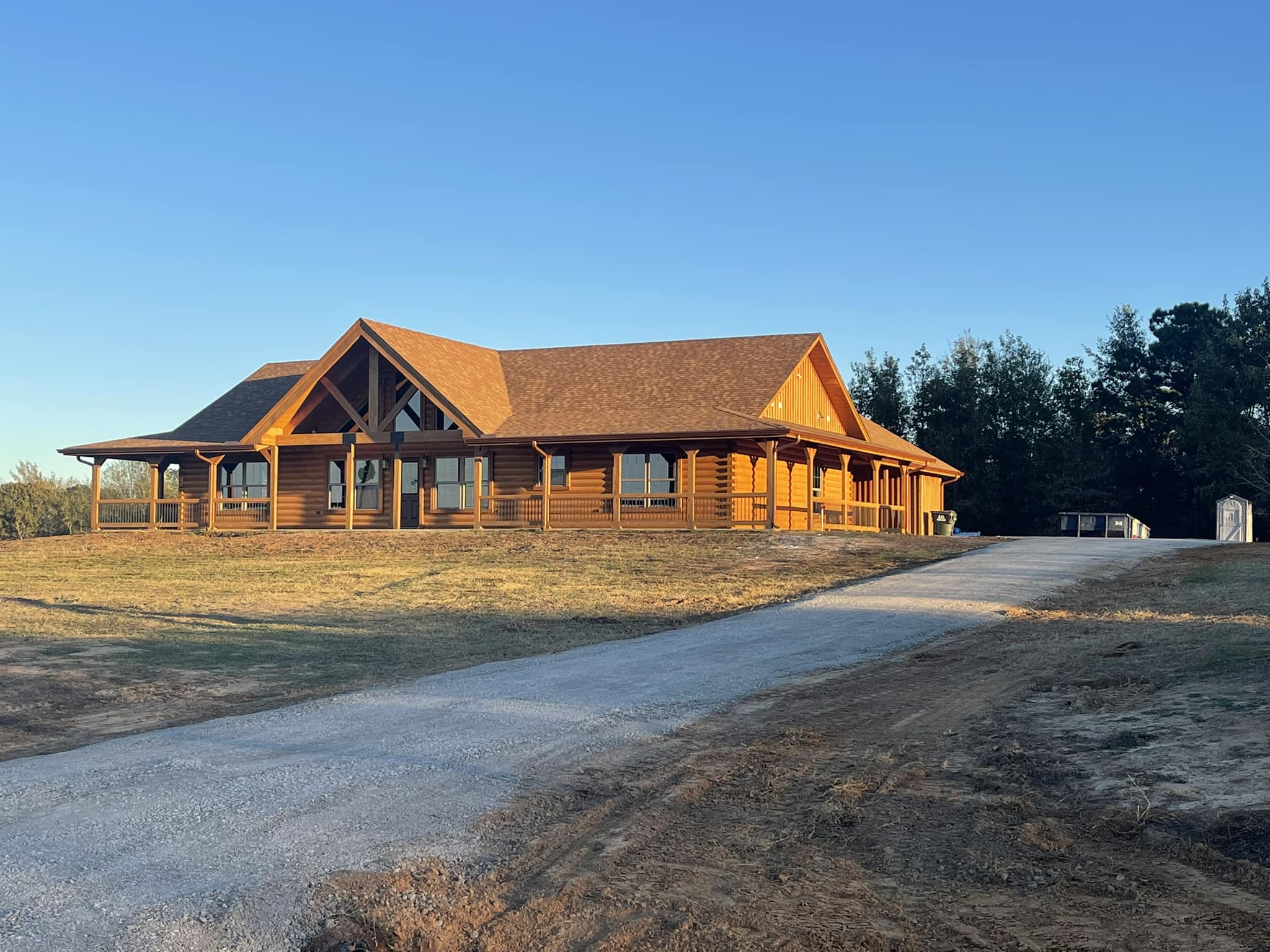
Transforming Your Cabin: A Guide to Log Home Restoration Jan 22, 2026
The first step in log home restoration is a comprehensive assessment. Begin with a thorough inspection to identify the extent of wear and damage. Focus on areas prone to issues like water damage, rot, or insect infestation. Discovering these problems early is vital. At Moss Construction, we recommend scheduling annual inspections to catch issues before they become costly repairs.
Once you assess the condition of your cabin, the next phase is cleaning. Over time, dirt, mildew, and algae can accumulate on your logs, detracting from their beauty and leading to deterioration. Power washing is an effective method to remove these unwanted layers. However, it is critical to adjust the pressure properly to avoid damaging the wood. For best results, consulting professionals can ensure that cleaning is thorough and safe.
After cleaning, the next step involves addressing any repairs needed. Logs that are severely damaged may require replacement. When replacing logs, it's essential to match the wood type and style to maintain the cabin’s aesthetics. For minor damages, filling cracks and applying wood preservatives can help protect the logs from further damage. Remember, the goal of restoration is not just to repair but to reinforce the structural integrity of your cabin.
Staining and sealing come next. This phase is crucial as it gives your cabin added protection against weather elements and UV rays while enhancing its natural beauty. Choosing the right stain can be daunting; however, opting for high-quality, long-lasting products ensures the durability of the finish. Staining not only rejuvenates the appearance but also adds a protective barrier that preserves the logs.
Weatherproofing your cabin is another essential aspect of restoration. This process involves thoroughly sealing joints and gaps to prevent drafts and moisture penetration. Quality caulking and chinking materials should be used to create a tight seal without compromising breathability. This step significantly contributes to the energy efficiency of your log home, reducing heating and cooling costs.
Moreover, effective restoration must involve pest control measures. Treating the wood with insecticides is vital to fend off pests like termites and carpenter bees that can wreak havoc on your log cabin. Regularly scheduled treatments help in maintaining the health of the logs and preventing infestations.
Ultimately, maintaining the restored beauty of your cabin requires annual upkeep. Seasonal inspections for signs of wear or damage and timely intervention can prolong the life of restorations. This proactive approach ensures that your cabin remains a cherished retreat that stands the test of time.
In conclusion, log home restoration by Moss Construction is more than a repair project; it’s a transformation journey that revitalizes your cabin, enhancing both its aesthetic and functional aspects. By following a strategic approach from inspection to maintenance, you can ensure your log home continues to offer the rustic oasis you cherish. Whether you wish to undertake a DIY project or engage professional services, having a clear understanding of each step is critical to achieving the desired outcome. Embrace the process and witness the rewarding transformation of your log home.